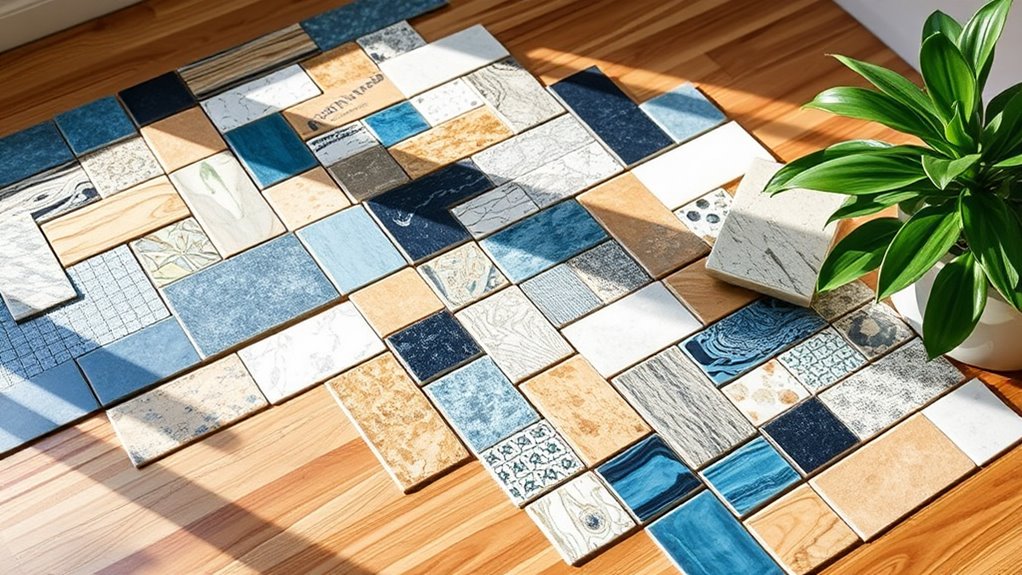
To choose the best tile for your bathroom and kitchen, start by evaluating your space and needs. Consider the right materials for durability and moisture resistance. Assess styles that resonate with you as you keep functionality in mind. Don't forget to select colors that improve the space's vibe, and set a realistic budget for tiles and installation. Finally, explore options for properly installing your tiles to guarantee longevity. Discover tips to make your tiles shine even brighter.
Assessing Your Space and Needs
How do you determine the best tile for your bathroom and kitchen? Start by evaluating your space dimensions and comprehending how they influence your choices. Measure the area where you'll install the tile to guarantee you choose sizes and patterns that fit comfortably. Consider the layout as well—whether it's an open concept or a more segmented space can affect your tile selection.
A functional layout is key. Think about how you use the space daily. For high-traffic areas, you'll want durable tiles that can withstand wear and tear. Conversely, if you're designing a serene bathroom retreat, you might prioritize aesthetics over functionality.
Ultimately, your goal is to create a cohesive look that serves your needs during the enhancement of the overall design of your home. By carefully evaluating these factors, you'll gain the control needed to make informed decisions for your tile choices.
Understanding Tile Materials
When choosing tile for your bathroom or kitchen, comprehending the various materials available is crucial. Each type offers different levels of durability, maintenance, and aesthetic appeal, which can greatly impact your space's overall look and functionality. Let's explore these materials to help you make an informed decision.
Common Tile Materials
Choosing the right tile for your bathroom or kitchen starts with grasping the common materials available. Ceramic tiles offer numerous advantages, including a wide variety of colors and patterns, making it easy for you to find the perfect match for your style. They're additionally budget-friendly, which gives you more control over your renovation costs. Conversely, porcelain tiles boast characteristics like high density and low porosity, making them ideal for moisture-prone areas. Their durability guarantees they can withstand heavy foot traffic and resist stains. By comprehending these materials, you can make an informed decision that aligns with your aesthetic and functional needs, empowering you to create the space you envision. Choose wisely, and enjoy the results!
Durability and Maintenance
Comprehending the durability and maintenance of tile materials is crucial for guaranteeing your space remains beautiful and functional over time. When choosing tiles, consider the following factors:
- Tile lifespan considerations: Opt for materials that withstand wear and tear.
- Maintenance frequency guidelines: Some tiles require more upkeep than others; know what you're getting into.
- Water resistance: Verify your tiles can handle the humidity of bathrooms and kitchens.
- Scratch resistance: Select tiles that resist scratches, especially in high-traffic areas.
Aesthetic Appeal Factors
Aesthetic appeal plays a crucial role in selecting tile materials for your bathroom and kitchen. You want tiles that not just look great but reflect your personal style. Consider color psychology; for instance, blues and greens promote calmness, whereas reds and yellows energize. Furthermore, don't shy away from pattern mixing—combining different designs can create a lively, unique look.
Here's a quick reference to help you visualize your options:
| Tile Type | Color Psychology | Pattern Mixing |
|---|---|---|
| Ceramic | Versatile, calming | Great for layering |
| Porcelain | Elegant, durable | Bold contrasts |
| Natural Stone | Organic, unique | Subtle combinations |
Make informed choices to guarantee a harmonious and inviting space.
Evaluating Durability and Maintenance
When choosing tile, you need to think about material strength, as it directly impacts how well it holds up over time. Consider how easy it is to clean and maintain, since some tiles require more effort than others. Finally, assess the long-term wear resistance to guarantee your investment lasts in high-traffic areas like the kitchen and bathroom.
Material Strength Considerations
In the process of selecting tiles for your bathroom or kitchen, it's crucial to assess their material strength, as this directly impacts durability and maintenance. You want to guarantee your investment stands the test of time. Consider the following factors:
- Ceramic strength: Great for areas with moderate foot traffic, but make sure it's rated for high moisture.
- Porcelain durability: Ideal for heavy use; it's denser and less porous than ceramic, resisting stains and moisture.
- Slip resistance: Vital for safety, especially in wet areas.
- Scratch resistance: Look for tiles with a high PEI rating to avoid visible wear.
Cleaning Requirements
In the process of selecting tiles, you can't overlook the cleaning requirements, as they greatly influence long-term maintenance and durability. Consider how often you'll need to clean your tiles. High-porosity materials may require more frequent cleaning to prevent stains and mold, whereas low-porosity options are typically easier to maintain. Think about the cleaning tools you'll use, too. Some tiles can withstand vigorous scrubbing, whereas others might scratch or dull with abrasive tools. Choose a tile that aligns with your desired cleaning frequency and the tools you prefer. By evaluating these factors, you'll guarantee your choice not just looks great but also fits seamlessly into your lifestyle, giving you control over your home's upkeep.
Long-term Wear Resistance
Though you might be drawn to a tile's aesthetic appeal, its long-term wear resistance plays an essential role in how well it holds up over time. To guarantee you choose tiles that stand the test of time, consider the following factors:
- Tile lifespan: Look for materials known for their durability.
- Wear tests: Research results from independent testing to gauge resilience.
- Material type: Porcelain and ceramic tiles often outperform others in wear resistance.
- Finish: A high-quality glaze can improve durability and protect against scratches.
Choosing the Right Style
When selecting the right style for your bathroom and kitchen tiles, consider how the design will reflect your personal taste and complement the overall aesthetic of your home. You've got the ability to make bold choices or go for subtle elegance. Explore current tile design trends, like large-format tiles or geometric patterns, that can instantly enhance your space.
Think about tile pattern ideas that create visual interest. Herringbone, chevron, and mosaic patterns can add a unique touch. If you want a modern look, opt for sleek, monochromatic tiles. For a more traditional feel, consider classic subway tiles or intricate encaustic designs.
Don't forget to balance style with functionality. Choose tiles that not only look good but likewise fit your lifestyle. By being intentional with your selections, you'll create a space that truly reflects who you are.
Color Selection and Coordination
How do you choose the right colors for your bathroom and kitchen tiles? Start by grasping color psychology, as different hues can evoke various emotions and set the tone for your space. You'll want to reflect on trend influences, but don't lose sight of your personal style. Here are some tips for effective color selection:
- Identify your focal point: Is it the backsplash or the floor? Choose colors that improve this feature.
- Analyze your lighting: Natural and artificial light can alter how colors appear. Test samples in your space.
- Create harmony: Use a color wheel to find complementary shades that flow well together.
- Limit your palette: Stick to two or three main colors to maintain a cohesive look.
Considering Texture and Finish
When choosing tiles, you'll want to think about the surface texture and how it affects both aesthetics and functionality. A glossy finish can add a sleek look but may require more maintenance, whereas a matte finish offers a more subtle appearance and improved traction. Consider what feels right for your space and how each option fits your style and needs.
Surface Texture Options
Choosing the right surface texture for your bathroom and kitchen tiles can transform the overall look and feel of the space. You've got plenty of options to contemplate, each with its own unique charm. Here are some textured tiles and surface finishes that can suit your style:
- Matte Textures: These offer a soft, non-reflective surface, perfect for a modern look.
- Glossy Finishes: They reflect light beautifully, adding a touch of elegance.
- Textured Relief: These create visual interest and can improve grip, ideal for wet areas.
- Natural Stone: With its organic feel, it brings warmth and character to your space.
Gloss vs. Matte Finish
Although you might love the idea of a sleek, modern bathroom or kitchen, deciding between a gloss and matte finish for your tiles can greatly impact the overall ambiance. Glossy reflections can make your space feel brighter and more open, reflecting light beautifully. This finish is perfect if you want to create a lively, energetic atmosphere. Nevertheless, if you prefer a more subdued, inviting feel, matte warmth is the way to go. Matte tiles absorb light, giving your room a cozy, grounded look that's perfect for relaxation. Consider factors like maintenance and slip resistance as well; glossy tiles can show smudges, whereas matte tiles often resist scratches. In the end, choose the finish that aligns with your vision and lifestyle.
Exploring Tile Size and Layout
Even though you might think that all tiles are created equal, the size and layout you select can dramatically influence your bathroom or kitchen's overall aesthetic and functionality. The right tile dimensions impact how spacious or cozy your space feels. Larger tiles can make a small room appear bigger, whereas smaller tiles allow for intricate designs.
Consider these factors when exploring tile size and layout:
- Proportion: Match tile size to room dimensions for balance.
- Pattern trends: Stay updated on current styles for a modern touch.
- Functionality: Choose sizes that fit your lifestyle, like easy-to-clean surfaces.
- Visual flow: Create a seamless look with consistent tile layouts.
Budgeting for Your Tile Project
After considering the size and layout of your tiles, it's time to think about how much you're willing to spend on your project. Effective budgeting is essential, so start with a cost estimation to guide your budget allocation. Consider the types of tiles, the square footage needed, and any additional materials.
Here's a simple breakdown to help you visualize your budget:
| Item | Estimated Cost |
|---|---|
| Tiles (per sq. ft) | $3 – $15 |
| Grout & Adhesive | $0.50 – $2 |
| Underlayment | $1 – $4 |
| Labor (if hired) | $4 – $10 |
Installation Options and Considerations
When you're ready to install your tiles, you'll encounter various options that can greatly impact the final look and durability of your space. Selecting the right installation techniques and tile adhesives is essential for achieving a professional finish. Here are some key considerations:
- Type of tile: Different materials require specific adhesives.
- Surface preparation: Verify your substrate is clean and level for maximum adhesion.
- Grout joints: Decide on the size and style, as this can affect both aesthetics and maintenance.
- Installation method: Choose between traditional thin-set, large format, or self-adhesive tiles based on your project needs.
Incorporating Tile Into Your Overall Design
Incorporating tile into your overall design can transform a bathroom or kitchen, improving both functionality and style. To achieve design cohesiveness, choose tiles that complement your existing color palette and fixtures. Think about how different tiles can blend to create a unified look; for instance, pairing wall tiles with complementary floor tiles can uplift the space.
When considering tile changes, opt for styles that flow seamlessly from one area to another. This not only maintains visual consistency but also improves the sense of space. You can use trim pieces or transition strips to guarantee a clean shift between tile types or between tile and other materials, like hardwood or carpet.
Ultimately, by carefully selecting and incorporating tiles, you take control of the design narrative in your home, creating an environment that reflects your personal style while guaranteeing practicality.
Tips for Maintaining Your Tile Surfaces
To keep your tile surfaces looking their best, you should establish a regular cleaning routine that prevents dirt and grime buildup. Effective tile cleaning not just improves the appearance of your tiles but furthermore guarantees surface protection. Here are some crucial tips to maintain your tile surfaces:
- Sweep regularly to remove dust and debris.
- Mop with a pH-balanced cleaner to avoid damaging the tile finish.
- Address spills immediately to prevent stains and damage.
- Seal grout lines periodically to protect against moisture and stains.
Frequently Asked Questions
What Are the Best Tiles for Underfloor Heating in Bathrooms?
Envision stepping onto a warm, inviting floor, like a cozy blanket on a chilly day. For underfloor heating in bathrooms, ceramic options are ideal because of their excellent heat conductivity. They warm up quickly and retain heat well, giving you comfort when you need it most. If you prefer stone durability, consider options like slate or granite, which offer both style and resilience. You'll feel in control of your space, enjoying both beauty and functionality.
How Can I Safely Clean Grout Lines on Tile Surfaces?
To safely clean grout lines on tile surfaces, you'll want to use a gentle approach. Mix equal parts vinegar and water for a natural grout cleaning solution. Apply it to the grout, let it sit for a few minutes, then scrub with a soft brush. Rinse thoroughly to remove any residue. For grout maintenance, consider sealing your grout after cleaning to protect it from stains and make future cleaning easier.
Are There Eco-Friendly Tile Options Available for My Renovation?
Absolutely, there are eco-friendly tile options available for your renovation! You can choose sustainable materials like bamboo or cork, which are both renewable and durable. Recycled options, such as tiles made from reclaimed glass or porcelain, not just reduce waste but in addition add a unique touch to your space. By selecting these options, you're taking control of your home's environmental impact as you enhance its aesthetic appeal. Your choices matter, so make them count!
Can I Install Tile Over Existing Flooring?
Yes, you can install tile over existing flooring, but there are important flooring considerations you need to keep in mind. Make certain the current floor is level, clean, and in good condition. It's vital to check for any moisture issues that could affect your tile installation. Use these tile installation tips: choose the right adhesive, and guarantee proper spacing for grout lines. This approach gives you control over the final look and durability of your project.
What Should I Do if My Tile Cracks or Chips?
If your tile cracks or chips, don't panic. You've got tile repair options like epoxy fillers or replacement tiles. Start by evaluating the damage; if it's small, apply a filler to patch it up. For larger issues, consider swapping the tile entirely. To avoid future damage, implement chip prevention techniques such as using rugs in high-traffic areas and maintaining consistent humidity levels. Take control of your space and keep your tiles looking great!