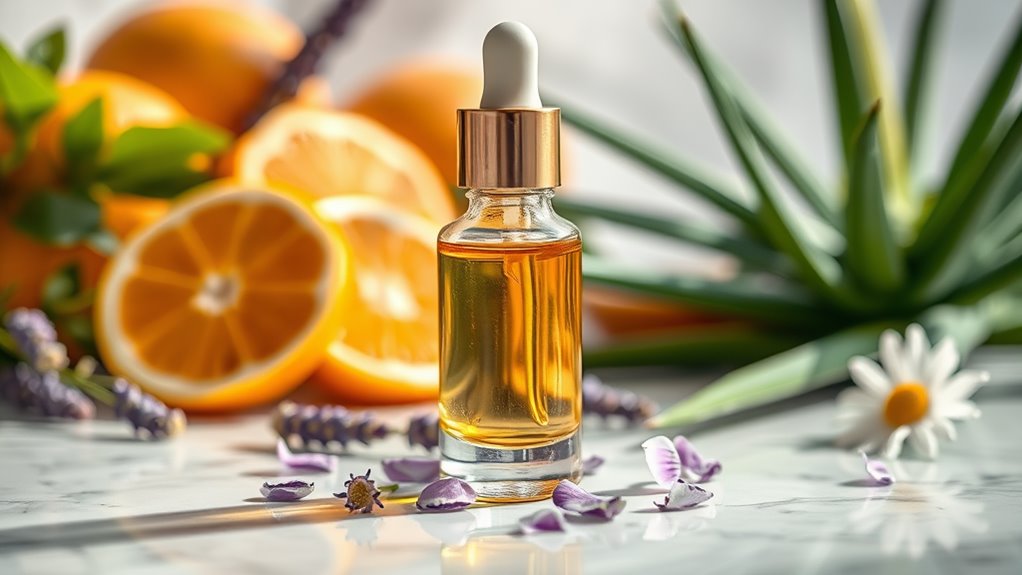
To choose the best face serum for your skin concerns, first identify your skin type—oily, dry, sensitive, or combination. Look for key ingredients like hyaluronic acid for hydration, retinol for anti-aging, and vitamin C for brightness. Avoid harmful ingredients such as parabens and sulfates. Remember to patch test before full application and adjust your skincare routine with seasonal changes. Discover more about effective skincare practices and how to personalize your regimen for ideal results. Additionally, consistency is key when incorporating a new serum into your routine, as results take time to appear. Pairing your serum with a suitable moisturizer and sunscreen creates the perfect foundation for your skin, ensuring it stays nourished and protected. By tailoring your skincare approach to your unique needs, you can achieve a healthy, radiant complexion.
Understanding Your Skin Type
How well do you know your skin type? Identifying whether you have oily skin, dry skin, sensitive skin, or combination skin is essential for selecting the best face serum. If your skin tends to shine throughout the day, you're likely dealing with oily skin, which craves lightweight, oil-free formulas. On the flip side, if your skin feels tight and flaky, you're probably in the dry skin camp, needing rich, hydrating serums packed with moisture-boosting ingredients.
Sensitive skin requires a gentle touch; look for serums with soothing properties that calm irritation. Meanwhile, combination skin presents its own unique challenge, often needing a balanced approach that addresses both dry patches and oily areas. Comprehending your skin type isn't just a step—it's the foundation for innovative skincare customized to you. By recognizing your needs, you're one step closer to achieving that radiant, healthy glow.
Identifying Your Skin Concerns
What specific skin concerns are you facing? Comprehending your unique situation is essential for selecting the right face serum. Start by identifying common skin concern examples like acne, dryness, or signs of aging. Each concern has distinct symptoms; for instance, acne may present as breakouts and redness, whereas dryness could lead to flaky patches and tightness.
Take a moment to observe your skin. Is it oily or prone to sensitivity? Are you noticing fine lines or uneven texture? Write down these observations to help clarify your priorities.
Key Ingredients to Look For
As you explore face serums, knowing which key ingredients to look for can make a significant difference in addressing your specific skin concerns. Here are three crucial components to contemplate:
- Hyaluronic Acid: This hydration booster draws moisture into your skin, leaving it plump and dewy.
- Retinol: Renowned for its anti-aging benefits, retinol promotes cell turnover and reduces the appearance of fine lines.
- Vitamin C: A potent antioxidant, it brightens your complexion and helps protect against environmental damage.
When you select a serum, check for these innovative ingredients that work synergistically to improve your skin's health. Whether you're battling dryness or fine lines, these targeted solutions can uplift your skincare routine. Remember, the right serum can transform your skin, so invest time in finding formulations that incorporate these dynamic ingredients for maximum results.
Avoiding Harmful Ingredients
As you focus on selecting the right face serum, it's equally important to steer clear of harmful ingredients that can compromise your skin's health. Many products on the market contain harmful chemicals like parabens, sulfates, and artificial fragrances that can lead to irritation and long-term damage. Instead, look for serums that boast safe formulations, using natural and organic components that nourish rather than harm your skin.
Pay attention to labels and avoid any product laden with synthetic additives. Innovations in skincare now allow for effective serums without the use of these detrimental ingredients. Prioritize formulations rich in antioxidants, vitamins, and botanical extracts that promote healing and radiance. By choosing wisely, you can guarantee your serum works harmoniously with your skin, enhancing its natural beauty as you steer clear of anything that could cause harm. Your skin deserves the best, so always opt for safety and efficacy in your skincare routine.
The Importance of Ph Balance
Maintaining the right pH balance is essential for your skin's health. When your skin's pH is off, it can lead to issues like dryness or breakouts, making it harder for serums to work effectively. Comprehending this balancing act helps you choose a face serum that truly benefits your skin.
Skin Ph and Health
The delicate balance of skin pH plays a fundamental role in your overall skin health. Maintaining a proper pH level is important for preserving your skin barrier, which protects against external aggressors. Here are three key points to reflect on:
- Optimal pH Range: Healthy skin typically sits between 4.5 and 5.5 on the pH scale, promoting a thriving microbiome.
- Acid Mantle: A balanced pH supports your skin's acid mantle, ensuring it remains hydrated and resilient.
- Product Compatibility: Choosing serums with pH levels that align with your skin promotes better absorption and effectiveness.
When you understand the significance of pH balance, you can make informed choices that improve your skin's health and vitality. In the end, innovation in skincare begins with knowing what your skin truly needs.
Balancing Act Benefits
Comprehending your skin's pH balance opens the door to a range of benefits that improve its overall health. Achieving that delicate balancing act is essential for maintaining skin harmony. When your skin's pH is in check, it boosts moisture retention, making your complexion luminous and plump. This balance also strengthens your skin's barrier, protecting it from environmental stressors and harmful bacteria. Additionally, a suitable pH promotes the effectiveness of active ingredients in your face serum, allowing them to work synergistically for maximum results. By prioritizing pH balance, you're not just addressing surface issues; you're investing in long-term skin health. Embrace this innovative approach, and watch your skin transform into a healthier, more lively version of itself.
How to Layer Your Skincare Products
When you're ready to apply your skincare products, keep in mind that the order matters just as much as the products themselves. Proper layering improves product absorption and maximizes your skincare routine's effectiveness. Here's how to master serum layering:
- Cleanse: Start with a fresh canvas by cleansing your face to remove impurities.
- Tone: Use a toner to prep your skin, helping serums penetrate deeper.
- Apply Serums: Begin with the lightest serum and work your way to thicker formulations.
Patch Testing and Application Tips
Before you apply a new face serum, it's essential to patch test to avoid any adverse reactions. Once you're ready to use it, proper application techniques can improve its effectiveness. Additionally, knowing how often to use the serum will help you get the best results without overwhelming your skin.
Importance of Patch Testing
Have you ever wondered why patch testing is crucial before trying a new face serum? Here are three patch testing benefits that can save you time and trouble:
- Identify Allergies: Spot any potential reactions before applying the serum to your entire face.
- Test Compatibility: Verify the serum works well with your unique skin type and existing products.
- Boost Confidence: Feel secure knowing your skin won't react negatively to the new formula.
To perform effective patch testing methods, apply a small amount of the serum to a discreet area, like your inner forearm. Wait 24-48 hours to observe any reactions. By prioritizing patch testing, you're making a proactive choice for your skin's health and enhancing your skincare routine with confidence.
Application Techniques Explained
How can you guarantee that your face serum delivers the best results? Start by becoming proficient in the right application methods. Always apply your serum on clean, slightly damp skin to improve serum absorption. Use your fingertips to gently pat the product into your skin, allowing it to penetrate deeply. Avoid rubbing, as this can disrupt the formulation's effectiveness. For innovative results, consider layering serums; apply lighter formulas first, followed by thicker ones. Remember to focus on areas of concern, ensuring even distribution. Finally, wait a minute or two before applying your moisturizer to give the serum time to work its magic. With these techniques, you'll optimize your serum's potential and achieve glowing skin.
Frequency of Use Guidelines
To guarantee you get the most out of your face serum, it's essential to establish a consistent frequency of use. This not merely maximizes results but likewise helps your skin adapt to the active ingredients. Here are three tips to guide you through serum cycles:
- Start Slow: Begin with applying your serum every other day to gauge your skin's reaction.
- Patch Test: Always conduct a patch test on a small area to avoid adverse reactions before full application.
- Adjust as Needed: Once your skin adapts, gradually increase to daily use or as directed.
Adjusting Your Routine Seasonally
As the seasons change, so should your skincare routine, especially regarding choosing the right face serum. Your skin needs to adapt to environmental shifts, and seasonal changes can impact its moisture levels, texture, and overall health. In winter, opt for serums rich in hydrating ingredients like hyaluronic acid or squalane to combat dryness. As temperatures rise in summer, switch to lightweight formulas that focus on oil control and antioxidants to protect against sun damage.
Spring is perfect for brightening serums packed with vitamin C to revitalize your complexion, whereas fall calls for nourishing ingredients to restore balance after summer exposure. By tailoring your face serum to the season, you'll improve your skin's resilience and achieve a radiant look year-round. Embrace innovation in your skincare routine, and don't hesitate to experiment with new formulations to find what works best for your skin's unique needs.
Frequently Asked Questions
Can I Use Multiple Serums at Once?
Absolutely, you can use multiple serums at once! Just make sure you're aware of layering techniques to maximize their benefits. Start with the thinnest serum and gradually move to thicker ones, allowing each to absorb before applying the next. Experiment with serum combinations that target different skin concerns, like hydration and brightening. This innovative approach not just improves your skincare routine but likewise helps you achieve a radiant, healthy complexion customized uniquely to your needs.
How Long Before I See Results From a Serum?
Patience is a virtue, especially regarding skincare. You'll typically notice results from a serum within four to six weeks, but this serum effectiveness timeline can vary based on your skin type considerations. If you've got sensitive skin, it might take a bit longer. Stay consistent in your routine, and don't forget to evaluate how your skin's responding to maximize the innovation in your skincare progression!
Are Face Serums Suitable for All Skin Types?
Yes, face serums can be suitable for all skin types, but it's essential to take into account serum ingredients for skin compatibility. Look for serums designed particularly for your skin type—whether oily, dry, or sensitive. Innovative formulations often feature lightweight textures and potent actives that cater to various concerns, ensuring you get the most benefit. By choosing thoughtfully, you'll improve your skincare routine and achieve ideal results customized to your unique needs.
Should I Apply Serum Before or After Moisturizer?
In terms of serum application, you should always apply serum before moisturizer. This allows the serum's active ingredients to penetrate your skin more effectively. Think of your skincare routine as a layering process; serums deliver concentrated benefits, whereas moisturizers lock in that hydration. By using this innovative approach, you maximize the efficacy of both products, ensuring your skin gets the best results possible. Don't underestimate the strength of this order!
Can I Use Serums During Pregnancy?
Yes, you can use serums during pregnancy, but it's essential to choose ones with safe ingredients. Look for serums that feature natural, pregnancy-friendly components like hyaluronic acid and vitamin C. Avoid those containing retinoids or salicylic acid, as they might pose risks. Always consult your dermatologist before starting any new product. Prioritizing your pregnancy skincare guarantees you nurture both your skin and your baby during enjoying innovative formulations that cater to your needs.