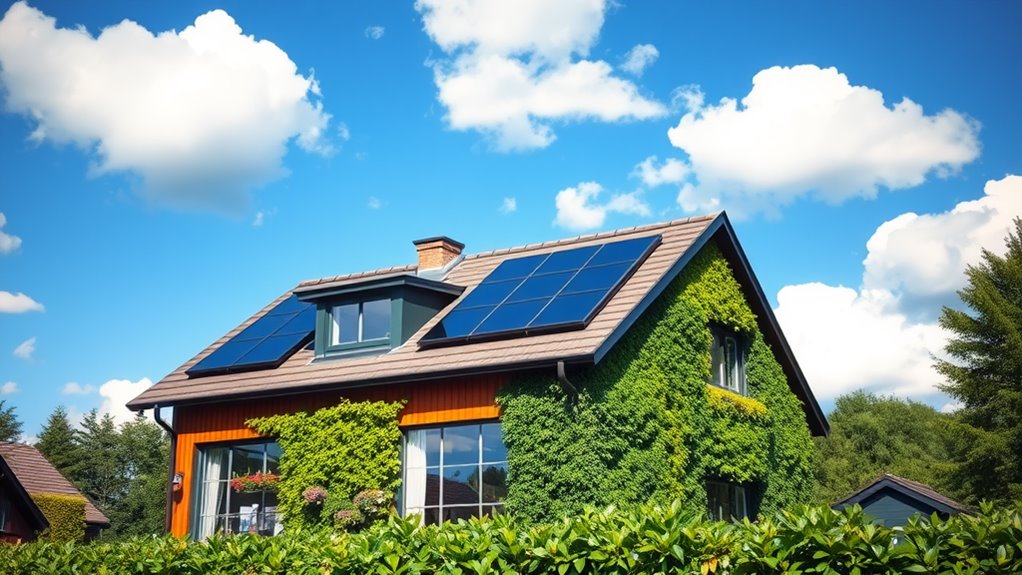
You can make your home more energy efficient by turning off lights and electronics when not in use, and sealing air leaks around doors and windows. You'll additionally save energy by lowering your thermostat and using energy strips. By making a few simple changes, you'll be on your way to reducing your energy consumption – and there are even more ways to improve your home's efficiency.
Simple Energy-Saving Tips
Several simple changes can make a big difference in your home's energy efficiency. You're taking control by making conscious decisions to reduce your energy consumption. Start by conducting energy audits to identify areas where you can improve. This will help you pinpoint specific changes you can make. Behavioral changes, such as turning off lights and electronics when not in use, can greatly impact your energy usage. You can likewise adjust your daily habits, like lowering the thermostat or using energy strips to eliminate standby energy consumption. By making these small adjustments, you'll be able to take charge of your energy usage and create a more efficient home. This sense of control will allow you to make informed decisions and optimize your energy efficiency.
Sealing Air Leaks and Gaps
Because air leaks and gaps can considerably increase your energy bills, it is vital to identify and seal them. You'll want to use draft sealing techniques to prevent heat from escaping. To get started, identify common leaks around doors, windows, and ducts.
| Location | Leak Type | Sealant |
|---|---|---|
| Doors | Gaps | Weatherstripping |
| Windows | Cracks | Caulk |
| Ducts | Holes | Foil Tape |
You're in control of reducing your energy bills by taking these simple steps. By sealing air leaks and gaps, you'll make your home more energy efficient and comfortable.
Upgrading to Energy-Efficient Appliances
As you continue to make your home more energy efficient, upgrading to energy-efficient appliances can considerably reduce your energy consumption. You're taking control of your energy usage by replacing old appliances with new ones that meet the Energy Star standards. This label indicates that the appliance uses less energy than standard models. When shopping for new appliances, look for the Energy Star label to guarantee you're getting an energy-efficient product. You can likewise check for appliance rebates offered by your utility company or local government, which can help offset the cost of upgrading. By choosing energy-efficient appliances, you're making a conscious decision to reduce your energy consumption and lower your utility bills. This simple switch can have a significant impact on your home's overall energy efficiency.
Improving Insulation and Ventilation
You’ve already taken a significant step in the direction of reducing your energy consumption by upgrading to energy-efficient appliances. Now, it’s time to focus on improving insulation and ventilation. You can control the flow of air and heat in your home by using the right insulation materials and ventilation techniques. Sealing gaps around windows and doors, adding weather stripping, and using thermal curtains are simple yet effective ways to enhance insulation. If you’re wondering how to improve home insulation further, consider installing high-quality insulation in your walls, attic, and floors to maintain a stable indoor temperature. Proper ventilation, such as using exhaust fans and air vents, will also help regulate airflow and prevent moisture buildup.
- Seal air leaks to prevent heat from escaping
- Install insulation in your attic and walls
- Use natural ventilation to reduce the need for air conditioning. By taking these steps, you'll be able to regulate the temperature in your home more efficiently, reducing your energy consumption and saving money on your utility bills.
Optimizing Lighting and Heating Systems
You're now focusing on optimizing lighting and heating systems to make your home more energy efficient. By installing smart lighting, you can automatically turn lights on and off, or adjust their brightness, to reduce energy waste. You're additionally considering heating controls, such as thermostats, that allow you to schedule and regulate your heating system's operation to save energy and lower your bills.
Smart Lighting
Since lighting accounts for a significant portion of your home's energy consumption, optimizing it is crucial to making your home more energy efficient. You can take control by installing smart bulbs and motion sensors. This allows you to:
- Turn lights on/off remotely
- Schedule lighting adjustments
- Automate lighting based on occupancy. With these features, you'll be able to customize your lighting to fit your needs, reducing energy waste and saving you money. By making these smart changes, you'll have more control over your home's energy usage.
Heating Controls
Most homes lose a significant amount of heat due to inefficient heating systems, so it is essential to optimize your heating controls. You can take control of your heating system by adjusting thermostat settings to use less energy when you're not home. Install programmable timers to automate temperature adjustments, ensuring you don't waste energy. This allows you to heat your home efficiently, saving you money and reducing your environmental impact. By optimizing your heating controls, you'll have more control over your energy usage and can make your home more energy efficient. Adjust your settings today.
Making Smart Home Upgrades
You're taking the next step to make your home more energy efficient by considering smart home upgrades. You'll be looking at smart devices that can be controlled remotely, allowing you to monitor and adjust your energy usage. By investing in home automation, you can optimize your energy consumption and make your life easier with automated systems that learn your preferences and adjust accordingly.
Smart Devices
Several smart devices can help make your home more energy efficient. You can take control of your energy usage with devices like smart thermostats and energy monitors. These devices allow you to track and adjust your energy consumption.
- Monitor your energy usage in real-time
- Adjust your thermostat settings remotely
- Receive alerts when energy usage is high, helping you make informed decisions to optimize your energy efficiency.
Home Automation
As you consider making smart home upgrades, taking control of your home's energy efficiency becomes more straightforward with home automation. You can monitor and manage your energy usage with energy monitoring systems. This allows you to identify areas of inefficiency and make changes to reduce waste. Automated curtains can additionally be controlled to optimize natural light and heat. By integrating these features, you'll have more control over your home's energy consumption. With home automation, you can make data-driven decisions to optimize your energy usage and create a more efficient living space. You're in control of your energy efficiency.
DIY Energy Efficiency Projects
Since making your home more energy efficient doesn't have to break the bank, DIY projects can be a great way to get started. You can take control of your energy usage by implementing simple projects. Consider investing in a solar panel installation to reduce your reliance on the grid.
- Insulate your home to minimize heat loss
- Implement rainwater harvesting to reduce water waste
- Upgrade to energy-efficient lighting to lower your bills. By taking these steps, you'll be able to reduce your energy consumption and save money. You'll have control over your energy usage and can make adjustments as needed to optimize your home's efficiency.
Frequently Asked Questions
What Is Energy Efficiency?
You're exploring what energy efficiency means. It's about using energy conservation techniques and adopting sustainable living practices to reduce waste. You're taking control by making informed choices, and that's a great start. By doing so, you're minimizing your impact on the environment, and that's a step in the direction of a more sustainable future, don't you think you're making a difference?
How Much Does It Cost?
You're wondering how much it costs. Creating a cost breakdown helps you plan. You're in control with budget planning, allowing you to prioritize and make informed decisions. You can allocate funds effectively, ensuring you stay within your means. You'll make smart choices, taking charge of your expenses and managing your budget with ease, it's all up to you.
Is It Worth the Investment?
You're weighing the pros and cons, aren't you? Let's be frank, it's a "smart splurge". You're considering if it's worth the investment, and the answer is yes, because of significant cost benefits and long term savings. You'll be calling the shots, taking control of your expenses, and reaping the rewards, which is a pretty sweet deal, isn't it?
What Are Rebates Available?
You're looking for rebates, and you'll find them through federal incentives and local programs. You'll be taking control of your expenses by exploring these options. You're getting closer to saving money, and you're doing it by researching what's available. You'll discover that you can claim rebates, and you'll be saving more, it's worth checking out what you're eligible for.
How Long Is Payoff Period?
Fearless financiers, you're focusing on the payoff period. You're figuring out the payback timeline, conducting a thorough investment analysis to maximize your returns. You're taking control, carefully calculating costs to confirm it's a smart move, ensuring your investment pays off in a reasonable timeframe, giving you peace of mind.