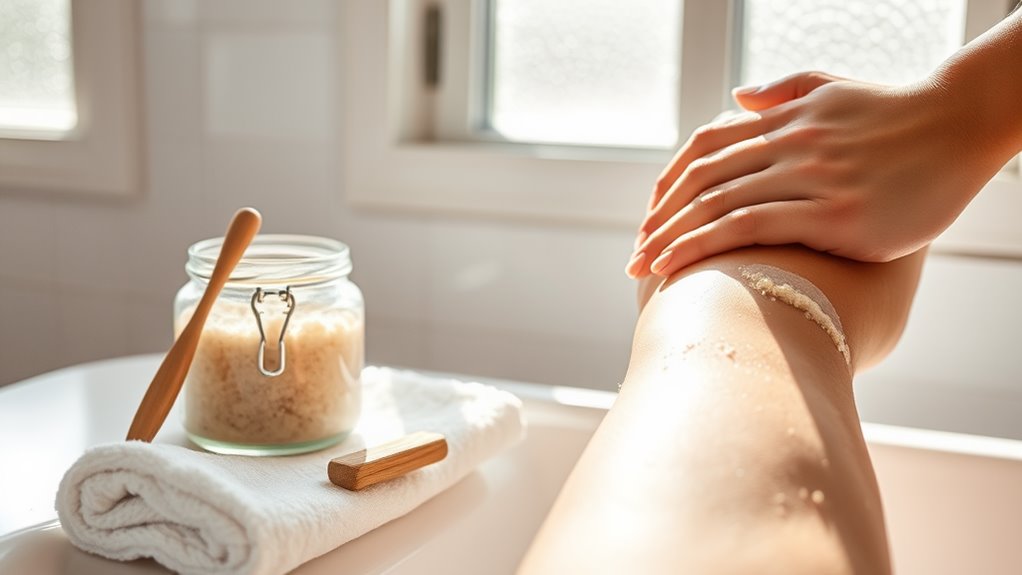
To get rid of ingrown hairs the right way, start by exfoliating regularly to remove dead skin cells and free trapped hairs. Use a sharp razor and shave in the direction of hair growth. Apply an alcohol-free moisturizer afterward to soothe your skin. Natural oils, like tea tree and coconut oil, can help calm irritation. If you experience persistent redness or swelling, it might be time to consult a professional for customized solutions. There's more to discover about effective prevention and treatment methods!
Understanding Ingrown Hairs: What They Are and Why They Occur
Ingrown hairs are a common skin issue that can affect anyone, and they occur when a hair grows back into the skin rather than out of it. Comprehending the causes of ingrown hairs is crucial for tackling this problem effectively. They often arise from improper hair removal techniques, such as shaving too closely or using dull blades. Curly or coarse hair types are particularly prone to this condition, as their unique growth patterns can lead to hairs bending back into the skin.
You might notice symptoms of ingrown hairs, such as red bumps, swelling, or even pus-filled lesions. These can be itchy or painful, disrupting your comfort and confidence. By recognizing these signs early, you can take proactive steps in the direction of innovation in your skincare routine, ensuring that ingrown hairs don't derail your efforts for smooth, healthy skin. Comprehending the underlying causes and symptoms is your first step in the direction of effective treatment.
Best Practices for Preventing Ingrown Hairs
To keep ingrown hairs at bay, adopting the right hair removal practices is crucial. Start by refining your shaving techniques. Use a sharp blade and shave in the direction of hair growth to minimize irritation. Consider trying an electric razor or a safety razor for a smoother finish.
Next, prioritize your moisturizing habits. After shaving, apply a soothing, alcohol-free moisturizer to hydrate your skin and prevent dryness. Look for products with natural ingredients like aloe vera or shea butter, which can calm inflammation.
Exfoliation is another key player in your prevention strategy. Incorporate gentle exfoliation into your routine a few times a week to slough off dead skin cells that could trap hairs. Finally, avoid tight clothing that can rub against your skin and encourage hairs to grow inward. With these innovative practices, you'll greatly reduce the risk of pesky ingrown hairs.
Effective Home Remedies for Treating Ingrown Hairs
To tackle ingrown hairs effectively at home, you can start with exfoliation techniques that help remove dead skin cells and free trapped hairs. Natural oils, like tea tree or coconut oil, can additionally soothe irritation and promote healing. Let's explore how these remedies can make a difference for you.
Exfoliation Techniques Explained
Exfoliation is a crucial step in preventing and treating ingrown hairs, as it helps remove dead skin cells and unclogs hair follicles. You can choose between chemical exfoliants, which use acids to dissolve dead skin, or physical exfoliants, which involve scrubbing the skin's surface. Each method has its benefits, and incorporating both can yield the best results.
| Exfoliant Type | Benefits |
|---|---|
| Chemical Exfoliants | Deeply penetrates and dissolves dead skin |
| Physical Exfoliants | Provides immediate texture improvement |
| Combination | Maximizes skin smoothness and clarity |
| Frequency | 2-3 times a week for ideal results |
| Skin Type Suitability | Tailor choice to your skin needs |
Natural Oils Benefits
Natural oils can be a soothing remedy for ingrown hairs, offering both relief and nourishment for your skin. Incorporating crucial oils with carrier oils can improve your healing process. Here are some innovative options to try:
- Tea Tree Oil: Known for its antimicrobial properties, it helps reduce inflammation.
- Lavender Oil: This calming oil promotes healing and soothes irritation.
- Jojoba Oil: A fantastic carrier oil that closely mimics skin's natural oils, it hydrates and softens the area.
- Coconut Oil: Packed with fatty acids, it provides deep moisture and antibacterial benefits.
Mix a few drops of crucial oil with your chosen carrier oil, then gently massage it onto the affected area for effective relief.
When to Seek Professional Help for Ingrown Hairs
Although ingrown hairs are often manageable at home, there are times when seeking professional help becomes necessary. You should know when to consult a dermatologist to avoid complications. If you notice persistent inflammation, redness, or swelling around the affected area, it's a clear sign you need expert advice. Watch for signs of infection, such as pus, increased pain, or fever; these indicate that home treatments aren't enough.
Moreover, if you frequently experience ingrown hairs—especially in sensitive areas like the bikini line or underarms—it might be time for a professional assessment. They can provide customized solutions, including laser hair removal or prescription treatments, to reduce recurrence. Don't hesitate to reach out for help when your ingrown hairs disrupt your daily life or lead to further skin issues; innovation in skincare can make a significant difference.
The Role of Exfoliation in Preventing Ingrown Hairs
When you regularly exfoliate your skin, you considerably reduce the chances of developing ingrown hairs. By removing dead skin cells, you allow hair follicles to grow freely. Here's how to effectively incorporate exfoliation into your routine:
- Choose Your Method: Opt for chemical exfoliants like AHAs or BHAs for a deeper cleanse, or physical exfoliants like scrubs for a more immediate effect.
- Consider Your Skin Sensitivity: If you have sensitive skin, start slowly with gentler exfoliation tools to avoid irritation.
- Determine Exfoliation Frequency: Aim for 2-3 times a week, adjusting based on how your skin reacts.
- Utilize Exfoliation Tools: Use brushes or pads to improve your exfoliation routine, ensuring thorough coverage.
Choosing the Right Hair Removal Method to Minimize Ingrown Hairs
Choosing the right hair removal method can greatly reduce your chances of developing ingrown hairs. If you're looking for innovation, consider laser hair removal. It's a long-term solution that targets hair follicles, minimizing regrowth and the risk of ingrown hairs. Unlike traditional methods, laser hair removal can offer a smoother, more consistent result.
On the other hand, if you prefer waxing techniques, make certain you choose those designed to minimize irritation. Look for products that incorporate soothing ingredients to calm your skin post-wax. Proper technique and aftercare can greatly impact your results, reducing the likelihood of hairs curling back into the skin.
Ultimately, it's about finding a method that suits your skin type and hair growth. Test different options to see what works best for you, and always prioritize skin health to keep ingrown hairs at bay.
Frequently Asked Questions
Can Ingrown Hairs Cause Infections or Other Complications?
Envision you've just shaved, and a few days later, you notice a painful bump. That could be an ingrown hair. If you leave it untreated, it might develop into an ingrown hair infection, leading to complications from ingrown hairs like abscesses or cellulitis. You don't want to risk that! Taking care of your skin and addressing ingrown hairs without delay can help prevent these issues and keep your skin healthy and clear.
Are There Specific Skin Types More Prone to Ingrown Hairs?
Yes, certain skin types are more prone to ingrown hairs, especially sensitive skin. If you've got sensitive skin, the risk increases because of inflammation and irritation from shaving or waxing. To minimize this issue, you can adopt prevention techniques like exfoliating regularly and using soothing products. By staying proactive and choosing the right tools, you can greatly reduce the chances of developing those pesky ingrown hairs, keeping your skin smooth and healthy.
How Long Does It Take for Ingrown Hairs to Heal?
The healing timeline for ingrown hairs can vary, but you can typically expect improvement within a few days to a couple of weeks. As the hair grows out and the inflammation subsides, you'll notice reduced redness and discomfort. If you take proactive steps, like gentle exfoliation, you'll speed up healing. Remember, your skin's response to hair growth plays an essential role, so keep it hydrated and avoid tight clothing to promote recovery.
Can Ingrown Hairs Lead to Permanent Scarring?
Yes, ingrown hairs can lead to permanent scarring if not treated properly. To minimize this risk, focus on scarring prevention through gentle exfoliation and proper hair removal techniques. You've got several treatment options, like topical treatments and laser therapy, that can help reduce inflammation and promote healing. Staying proactive about your skincare and using innovative products can keep your skin healthy and minimize the potential for long-lasting scars.
What Are the Best Products for Soothing Irritated Skin?
When you're searching for relief from irritated skin, consider soothing creams and calming gels that truly make a difference. Look for products infused with natural ingredients like aloe vera, chamomile, or calendula; they'll hydrate, calm, and repair your skin. You'll find that applying these innovative formulations not just soothes discomfort but likewise promotes healing. With the right products, you can transform your skincare routine into a sanctuary of comfort and rejuvenation.